Vertiv
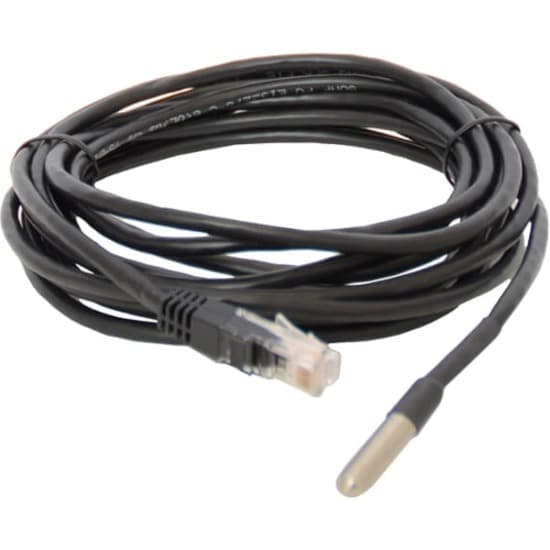
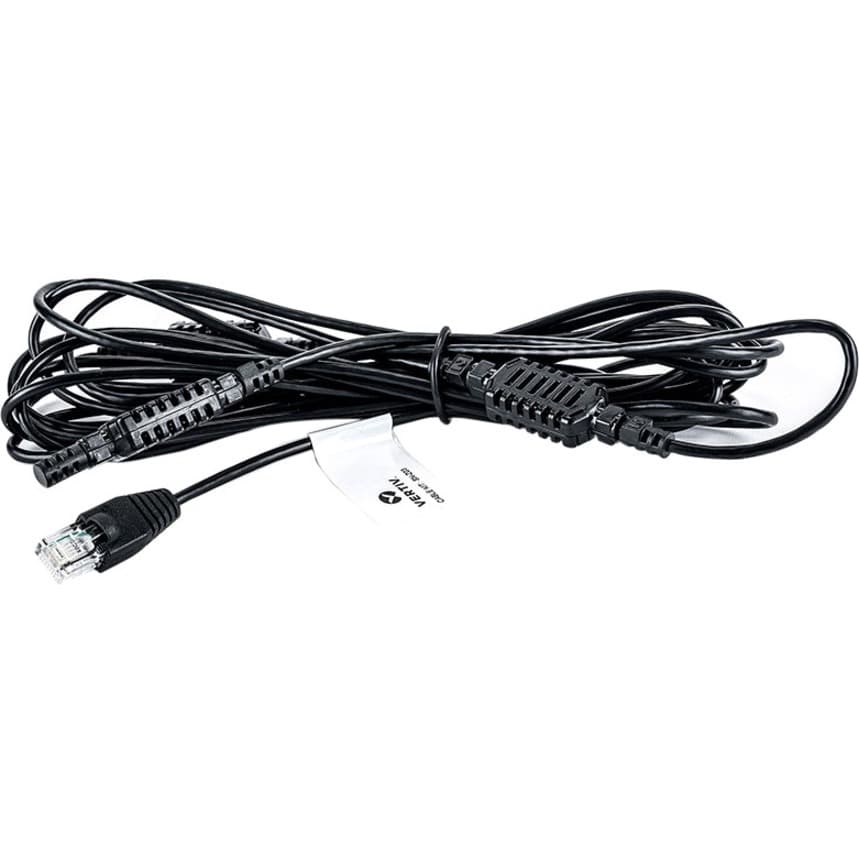
Remote Temperature Sensor 20f'
Out of Stock
Vertiv SRT-20 Remote Temperature Sensor, 20 ft Cord | UPS Monitoring
Vertiv
MPN: SRT-20
$81.00$108.00
MAP: $132.93
Free shipping on orders over $500
Authorized Dealer — Full manufacturer warranty
Key Features
- Remote temperature sensor accessory
- 20 ft cord length
- Vertiv SRT-20 MPN
- Designed for environmental monitoring applications
- Single-point temperature sensing
- Accessory for compatible Vertiv systems
- Extend temperature monitoring using a 20 ft cord for remote placement
- Measure heat closer to equipment using a dedicated remote sensor point
Capture temperature data closer to the equipment that matters. The Vertiv SRT-20 remote temperature sensor adds a 20 ft cord, giving you the reach to place the sensing point at racks, battery cabinets, or other thermal hotspots while keeping the monitoring hardware in a convenient location.
That extra distance matters when you need more accurate environmental awareness without redesigning the room. By moving the sensor to the source of heat, you can spot rising temperatures earlier and make faster decisions around cooling, load placement, or maintenance response. It is a straightforward accessory, but one that can materially improve the quality of your monitoring data.
Built for Vertiv monitoring environments, the SRT-20 is a clean add-on for teams that want better temperature visibility without adding complexity. For infrastructure groups protecting uptime, it helps close the gap between what the system reports and what the equipment is actually experiencing.
Ideal For
- Monitor battery cabinet temperature from a nearby UPS or controller location
- Track rack inlet temperatures in dense server rooms
- Place sensing at a remote hotspot without moving the monitoring unit
- Add thermal visibility to equipment rooms with limited sensor access
Why This Product
- 120 ft cord enables sensor placement at the heat source
- 2Remote sensing improves visibility versus fixed-location monitoring
- 3Purpose-built for Vertiv environments
- 4Simple accessory approach avoids added monitoring complexity